𝗪𝗲 𝗯𝗿𝗼𝗸𝗲 𝘁𝗵𝗲 𝗱𝗿𝘆 𝘀𝗽𝗲𝗹𝗹. One rainfall at a time – 𝘄𝗶𝘁𝗵𝗼𝘂𝘁 𝗮𝗻𝘆 𝗳𝗹𝗼𝗼𝗱𝗶𝗻𝗴
September 12, 2026 – the day we flipped the bird at the “Super El Niño” narrative.
Late last night, Davao City received one hour of rainfall, enough to water the plants and cool down the surroundings. Weather forecasters have been saying that Luzon will be wet and Mindanao will have dry drought conditions till December – 𝙬𝙚 𝙗𝙚𝙜 𝙩𝙤 𝙙𝙞𝙛𝙛𝙚𝙧.
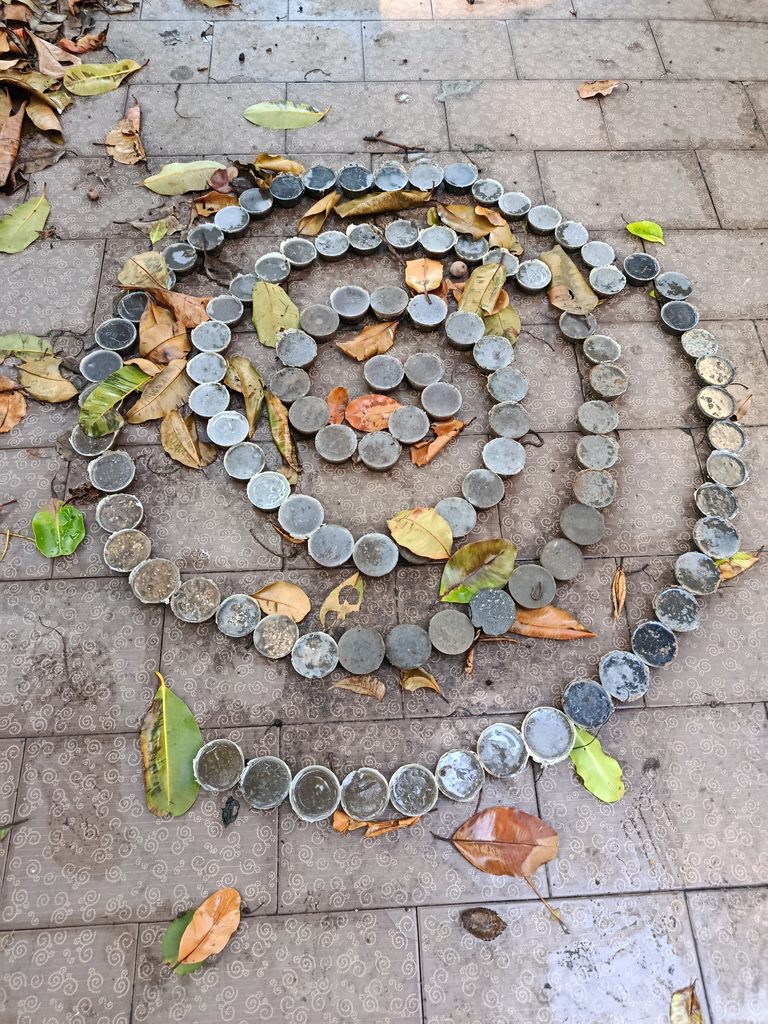
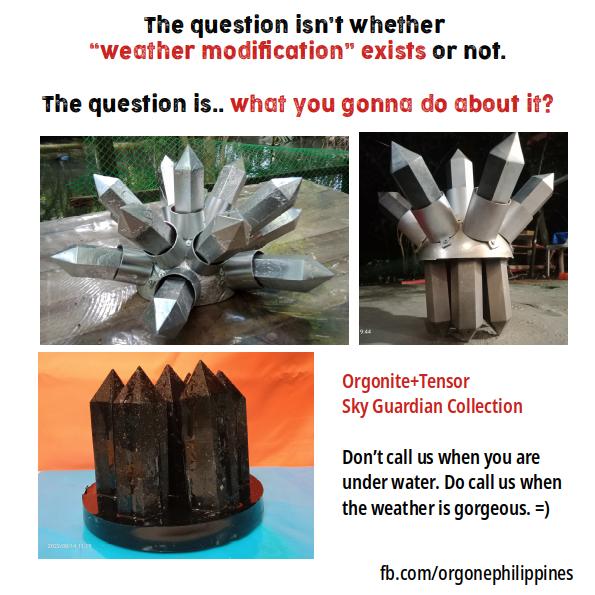
120 tower busters .. with tensor tech (grail coil), iron and brass shavings, extra dose of dolomite and milky quartz..
Each tower buster was embedded with tensor tech (grail coils) that amplified the Bovis yield to hundreds of quadrillions.
We lalid down the TBs into a clockwise labyrinth structure – so that the positive energy flowed away from the sky – and into the ground.
We would have needed QUADRILLIONS of Don-Croft style tower busters to achieve the same effect – because the Croft TBs average 30K Bovis only. 400 quadrillion divided by 30,000 equals 13.33 quadrillion (or 13,333,333,333,333,333.33).
Begin with a bundle of 6 tower busters/ TBs (Orgonite+grail tensor coil), transmuting ambient EMF radiation – gradually reduces the heat.
Add another bundle of 6 busters till the threshold ( baseline is 120 TBs) is reached. Our view is that the initial threshold of 120 TBs will change and gradually reduce as more locations generate positive orgone energy.
For example, in a city – 120 TBs can be split between barangays – 20 bundles of 6 per bundle is a manageable investment against excessive temperature and rainfall fluctuations. These erratic phenomena have the potential of greatly affecting your way of life – the cost of goods, your electric bill, your water bill, your food bill.
For farmers and agricultural businesses – you can secure your industry by proactively deploying orgonite tower busters en masse.
Rains for 60 minutes tops – no flooding!!! Rainfall intervals vary between daily and 2 to 4 days.
Surroundings cool down. Soil and plants get watered.
Take control, Reclaim your local environmental harmony. With #orgonite tower busters from Orgone Philippines
Para sa mga plantito at plantita sa panahon ng “Super El Niño”.
Sa panahon ng tag-init… palamigin!
Sa panahong tuyo …. paulanin!
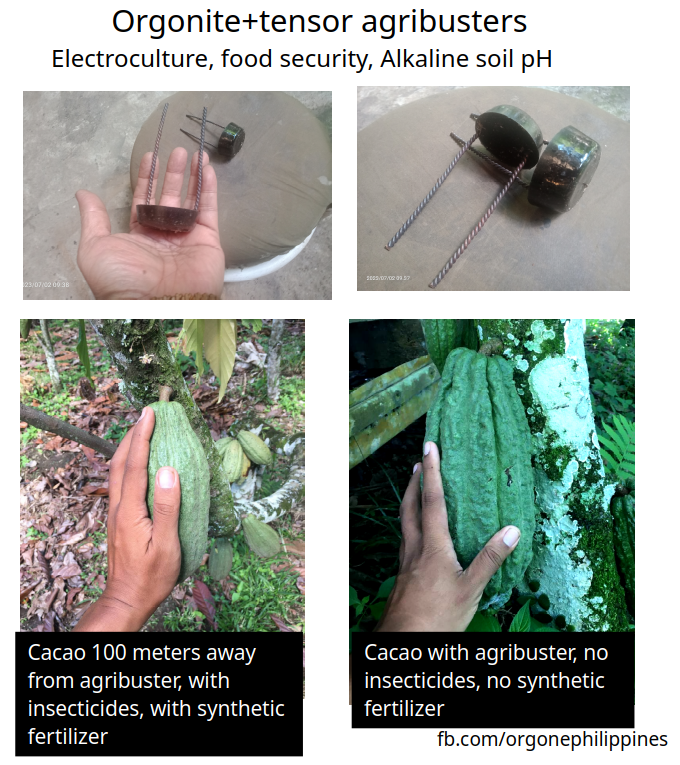
Bawas gastos sa pesticide at fertilizer = more savings = more income.
* Comparative study was done in Rosarioso Cacao farm, Mintal, Davao City, Philippines – lead was Roel Rosarioso, BSN,RN co-lead was Warlito Vicente, Jr, BS Bio, Certified Six Sigma Green Belt
The latest flooding in Luzon has nothing to do with Habagat – it’s the outcome of cloud seeding during moonsoon season. What were these people thinking?
In 2026, cloud seeding operations in Tuguegarao City and the broader Cagayan Valley region were placed on hold as the onset of the rainy season provided natural rainfall, rendering artificial intervention unnecessary.
Although the Department of Agriculture (DA) had previously allocated a budget of ₱6 million in May 2026 to mitigate the effects of El Niño, officials confirmed that operations were suspended once significant rains began.
The DA and its Task Force El Niño are keeping cloud seeding capabilities on standby, ready to be activated only if prolonged dry conditions recur during the year.
A follow up inquiry showed that the cloud seeding wasn’t put on hold despite the onset of the rainy season.
Cloud Seeding in Tuguegarao / Cagayan Valley – 2026
Cloud seeding operations in Cagayan Valley were actively conducted in July–August 2026, not simply placed on hold.
Here’s a fuller picture:
Background & Trigger
A strong El Niño emerged in 2026, threatening to cut Philippine rice output by as much as 700,000 metric tons. The Department of Agriculture (DA) revived its Task Force El Niño in May 2026. In Cagayan Valley specifically, below-normal rainfall had reduced the Magat Reservoir to near its minimum operating level, drying up roughly 31,000 hectares of rice fields served by the Magat River Integrated Irrigation System and delaying land preparation across 90,000+ hectares of irrigated farmland.
Planning & Budget
March 2026: DA Cagayan Valley (RFO 2) began intensifying preparations, coordinating with the Philippine Air Force (PAF), Bureau of Soils and Water Management (BSWM), and National Irrigation Administration (NIA).
July 2026: DA formally launched ₱2.76 million worth of cloud seeding operations over the Magat Watershed, with a planned window of July through September and 30 hours of seeding sorties allocated.
Execution (August 2026)
A PAF-supervised Piper Aztec aircraft dispersed vacuum-dried sodium chloride into moisture-laden cumulus clouds at roughly 4,500 feet altitude, after radar and atmospheric assessments confirmed favorable cloud formations. The PAF completed six cloud-seeding sorties over target areas including Alicia and Jones (Isabela), Solano (Nueva Vizcaya), and Maddela (Quirino). The operations produced light to moderate rainfall, restoring soil moisture for rice and corn and contributing to the gradual replenishment of the Magat Reservoir. One mission on August 3 was postponed due to unfavorable weather from Tropical Depression Luis, though TD Luis’s own rainfall also helped boost Cagayan Valley water reserves. The PAF reported that the combined effect of seeding and natural rain raised the Magat Dam water level to 162.90 m above sea level, three meters above the critical 160-m threshold.
Tuguegarao’s Specific Role
Tuguegarao City, capital of Cagayan province, serves as a key observation and coordination hub. Sky and cloud spotters are stationed there (along with sites in Iguig, Enrile, Ilagan, and others) to monitor cloud formations and report rainfall. The city and its surroundings are among the targeted areas for seeding flights.
Broader DA Strategy (as of late August 2026)
On August 30, the DA ordered all regional offices to shift to preventive measures rather than post-damage assistance. The strategy includes:
Expanding cloud seeding and deploying solar-powered irrigation systems Adjusting planting calendars to align with the Habagat (NE monsoon) Distributing drought-tolerant seed varieties and diversifying crops (mung bean, watermelon, corn, onion) Strengthening crop insurance and emergency financial assistance for vulnerable farmers The PAF confirmed it remains on standby to provide ongoing technical and aviation support for future seeding operations should dry conditions recur.
Let us assume that you are using an Android smart phone.
Here’s a quick how to – How to Turn Your Android Phone into a Compass – Install, Calibrate, and Tips for Accurate Direction
1st – make sure to download the app from Google Play Store. Here are some apps you can consider.
2. Turn on Location Settings .
Turning on the location settings helps compass calibrate quicker.
You can turn off Location Settings after you have calibrated your compass.
3. Calibrate your Compass app
Calibrate your compass so you can orient your location to the global positioning system.
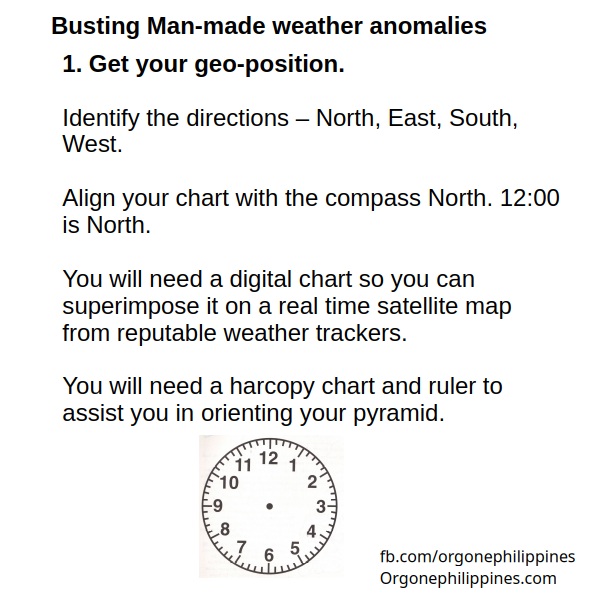
4. Get your bearings. Find your North
With your compass open and calibrated, find your North – 0°.
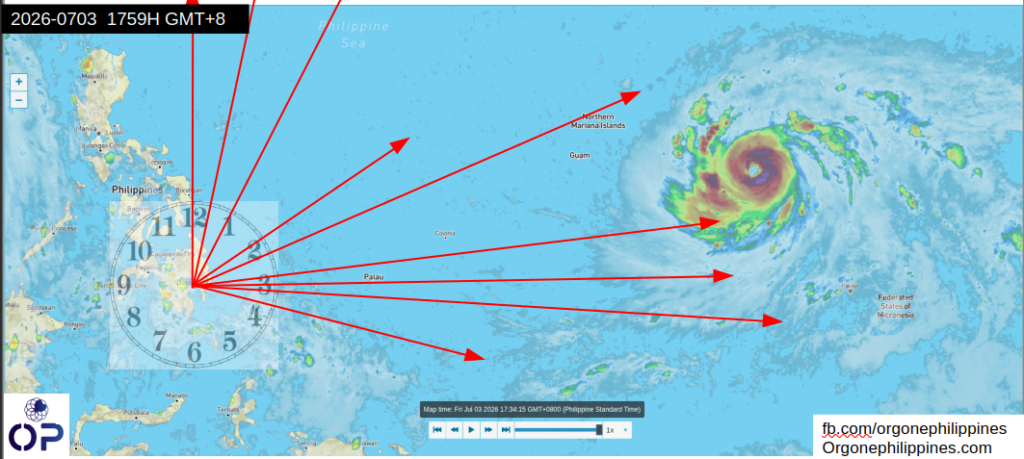
Wherever you are in the Philippines, here’s our directions guideline / coordinate system:
North is 12 o clock.
East is 3 o clock (sunrise).
South is 6 o clock.
West is 9 o clock (sunset)
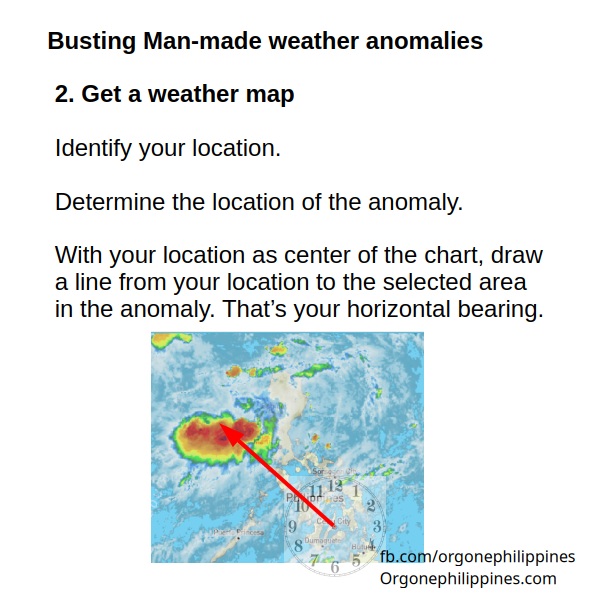
5. Target identification
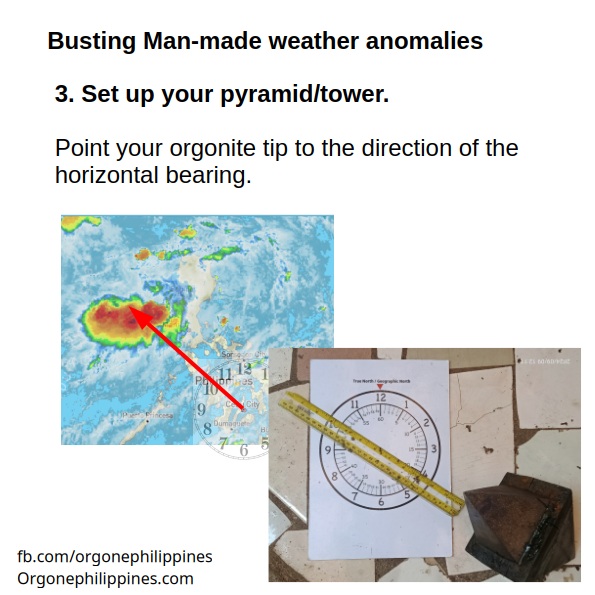
In this example, our identified target is Typhoon Saudel/Obet.
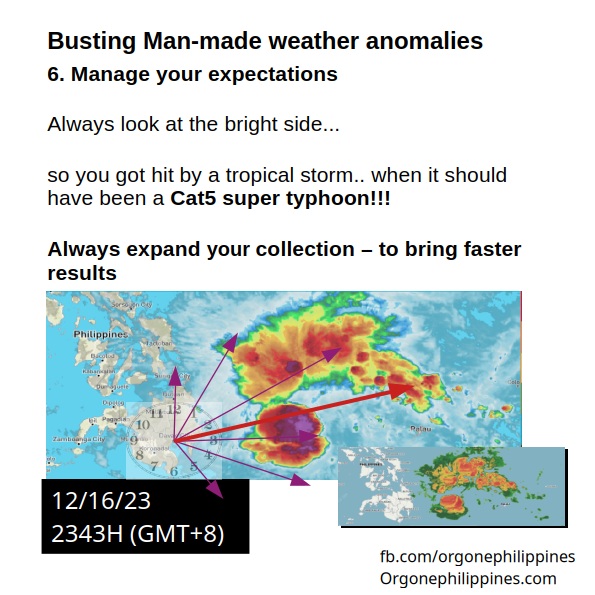
For those in Manila/NCR, pyramids and sky guardians will be pointed to the 2:30 position. If you have multiple devices, you can target different parts of Typhoon Saudel/Obet – 2:00, 2:30, and 3:00.
For those in Davao City, pyramids and sky guardians will be pointed to the 1:00 position. Multiple devices will be spread out to cover 12:30, 1:00, and 1:30.
And with that said, it’s time to LOCK and LOAD, LET’S ROLL.
FB has gone wonky – we can’t post to our original page.
They shadow banned us… we kept growing.. they offered advertising .. we refused.. and kept growing.. their latest crap is to have us verify our identity with 2 factor authentication – which I have complied with… and we still cannot post to our original page.
As a backup, we will also provide instructions for suppressing the fake habagat and man-made typhoons here.
Update #1 – Habagat
Aite.. we are coming in… from our location
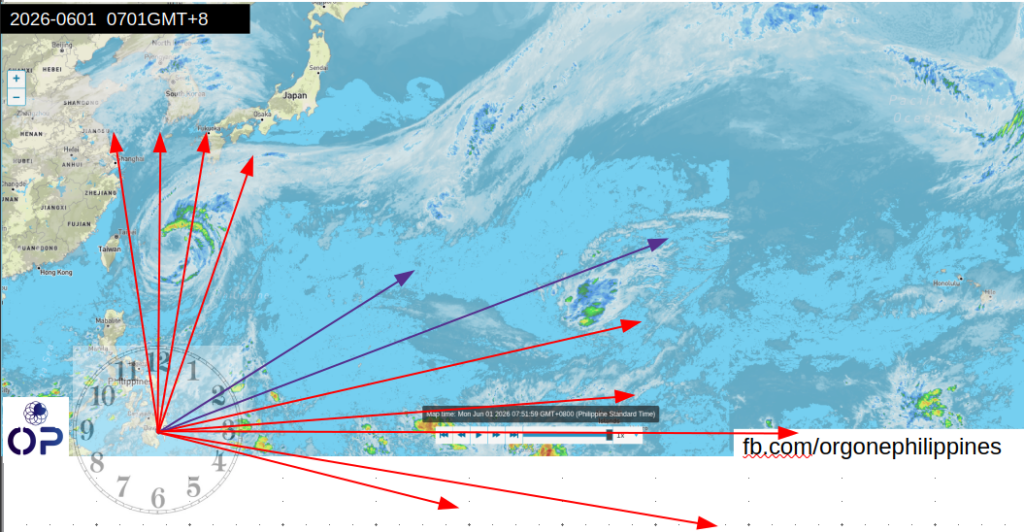
the red arrows have been in place for the past 2 days
to address the moonsoon aggressively – note that the vortex in the 8:30 position, relative to Davao City … that’s driving the winds to flow from the south to North East.. we need to shut that vortex (Northwest tip of Malaysia) down .. and another vector to our 6:00
the yellow arrows were deployed just now 1731H – note the forecasters will claim that Super El Nińo has expanded to Indian Ocean .. that’s US.. O.P. not effin El Nińo ..
Update #2 – Typhoon Saudel
For those who are in NCR who want to take aim at Typhoon Saudel / Obet, a guide is provided below.
Update #3 – Sea Surface Temperature
We have been paying attention to the sea surface temperature recently because this is an indicator of El Nińo.
We have now opted to take strategic action to cool down the sea surface temperature of the Western Pacific. This reduces the available heated surface from which storms can be generated closer to our Philippine shores – this pushes storm formation further to the Eastern Pacific .. and the Atlantic.
Their weather forecasting fear porn machinery can keep on spewing BS – but, it will be all talk, storms will be short lived – and the blowback will keep on snowballing on the Western hemisphere until they shap out of their weather modification insanity!
Spread the word – this website will be our HQ for sharing tactical information that will save lives and property.
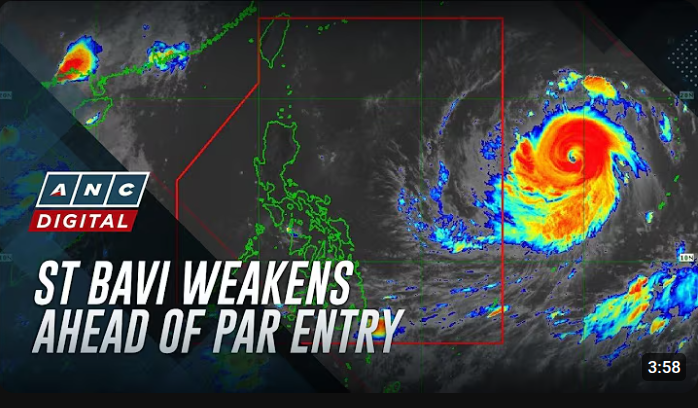
Well, Bavi really is a super tyhoon, just like Sinlaku. Here’s the thing – when the forecasters predicted a super typhoon that would hit the Philippines after leaving a trail of damage in the Marianas – we paid more attention. And when we pay attention – things have a way of easing out.
With all our heaviest hitters focused on quake prevention and mitigation – a virtual handicap for a year, we are fortunate to have a “deep bench” so to speak.
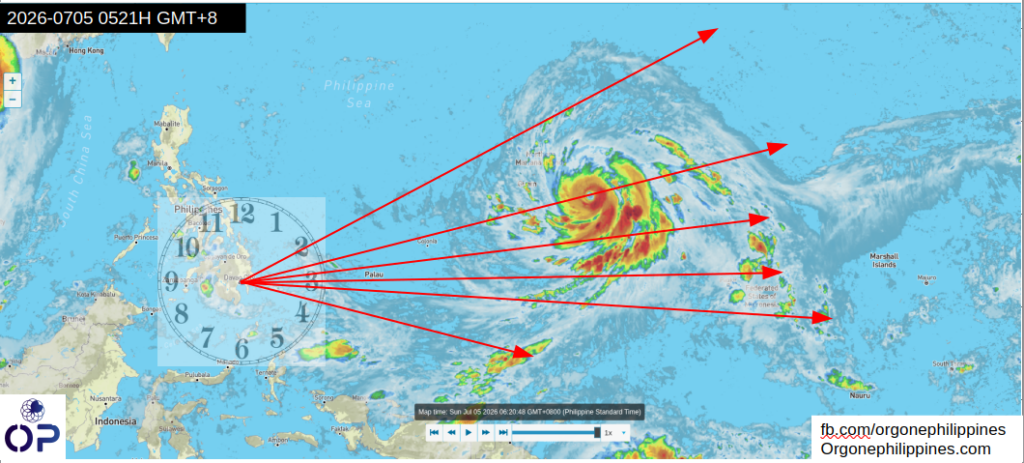
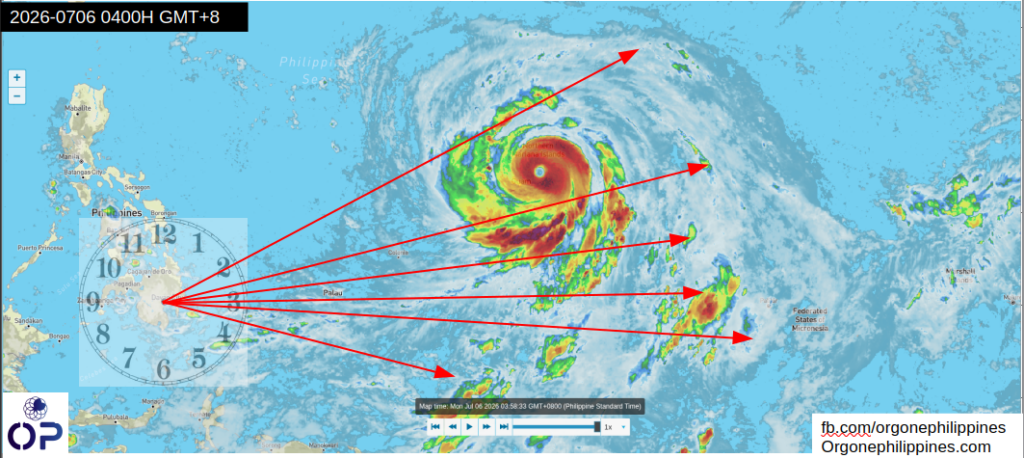
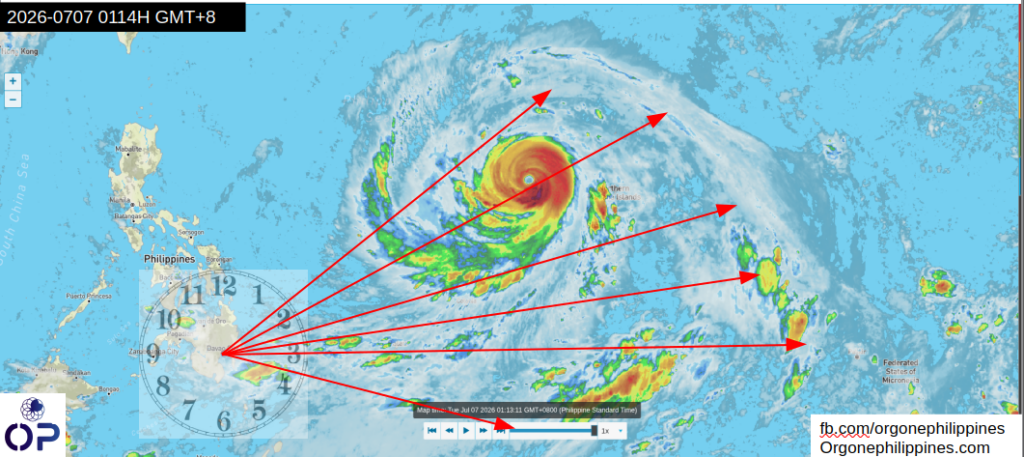
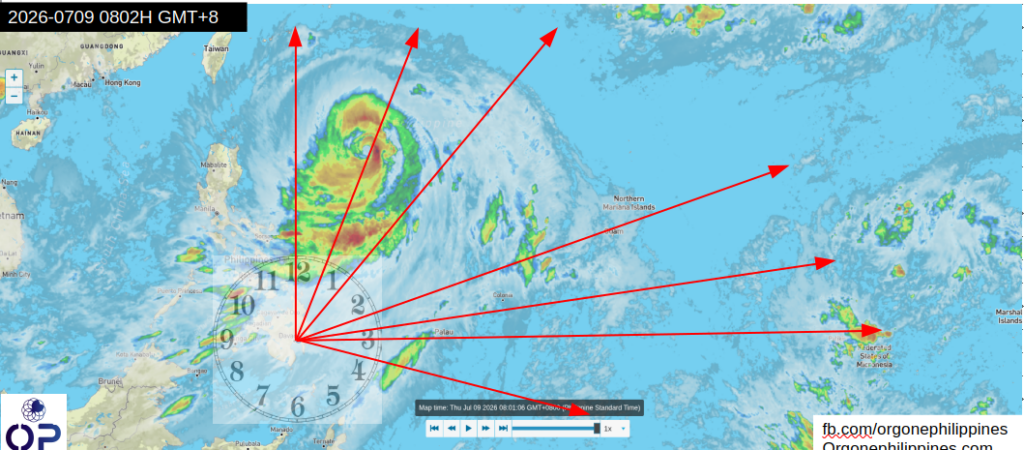
Here’s the timeline of Bavi’s approach to the Philippines, where the supertyphoon became a typhoon.
July 3, 2026
July 5, 2026
July 6, 2026
July 7, 2026
July 9, 2026
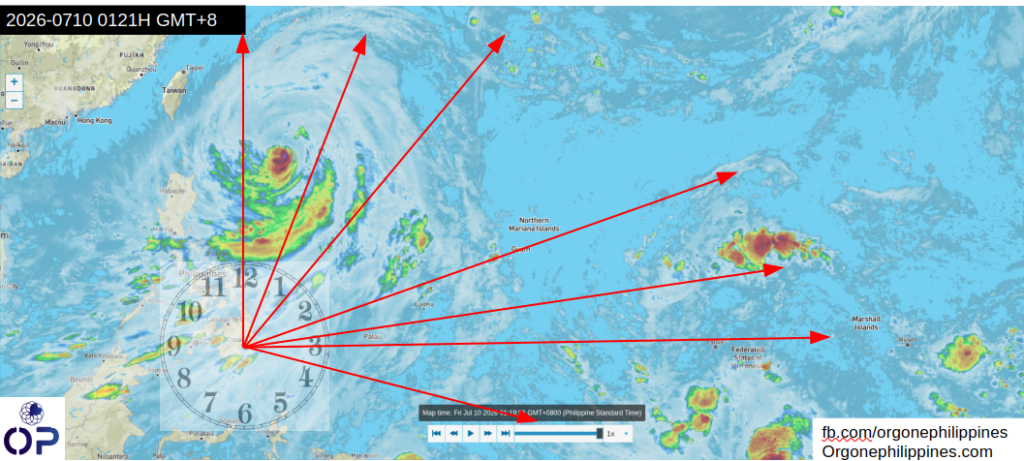
July 10, 2026
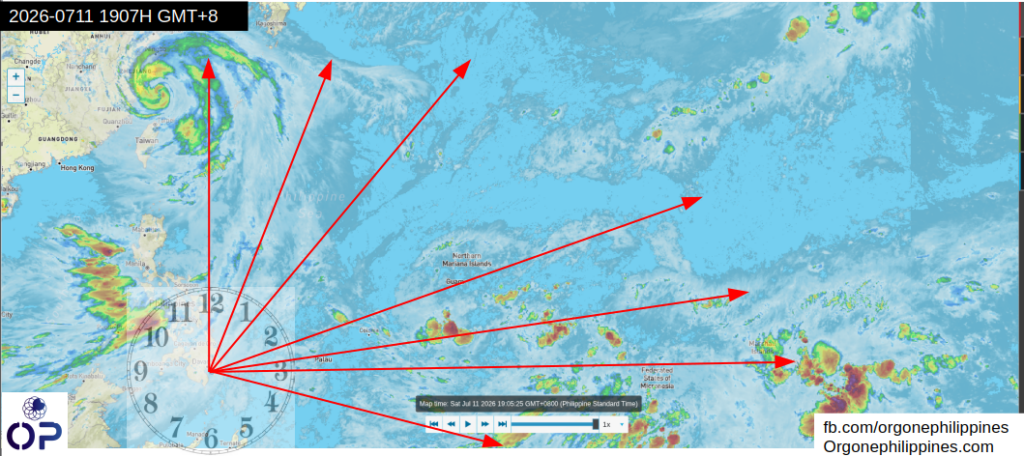
July 11, 2026
At this point, we cut Bavi loose and prepare for the next round.
After years of Orgonite R & D starting in 2018, along the coastline of Davao City in what used to be the fishing village of Talomo, I am releasing the Weather Defense Guide for those who own pyramids, towers, and classic Sky Guardians made by us.
Let’s go.
Just click on the thumbnail to get the full resolution image.
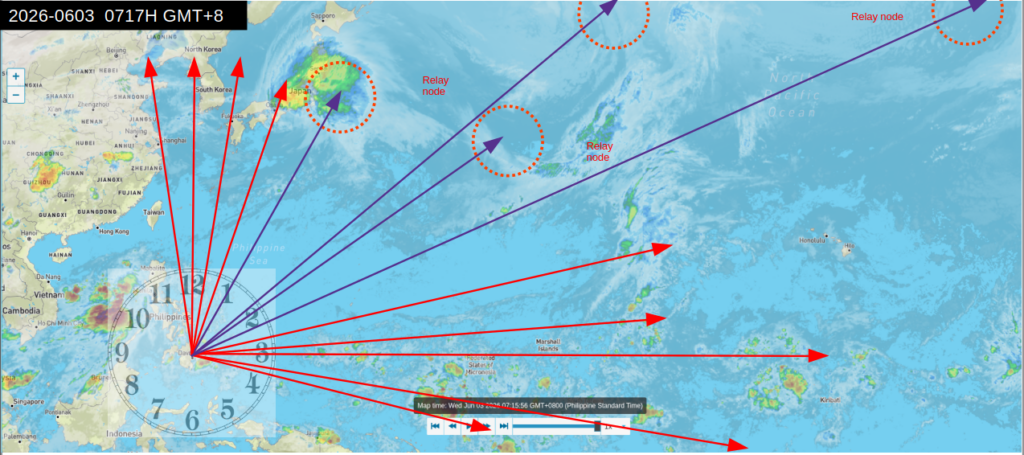
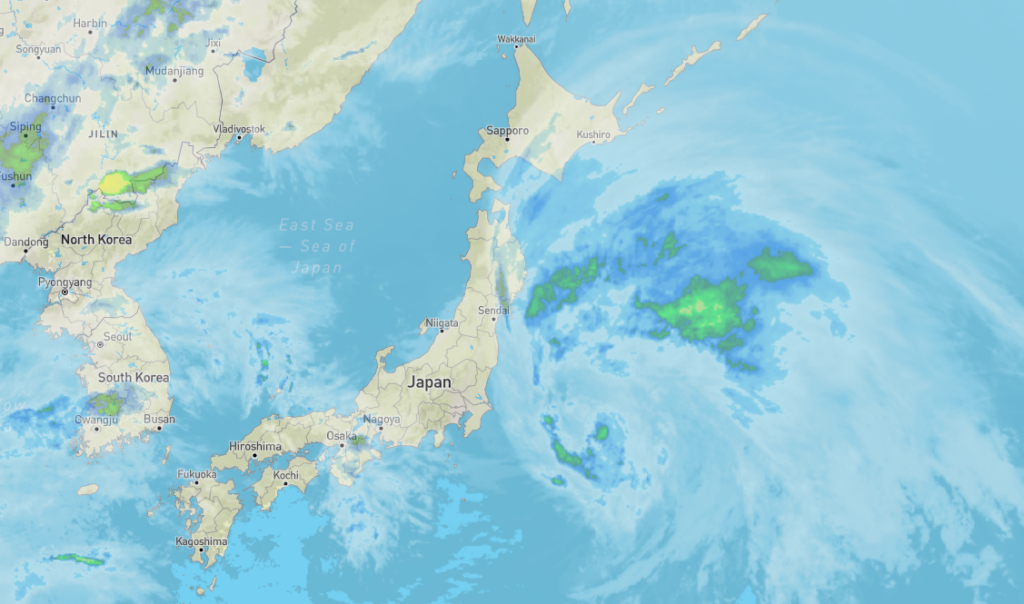
For this morning’s snapshot 2026-0603 0717H GMT+8.
Jangmi’ is no longer threat to Taiwan at this point. Luzon is getting it’s share of rain – you asked for it, you got it. The weather in Davao City is beginning to feel like the 1970s – sunshine during daytime, showers at night, and really chilly mornings.
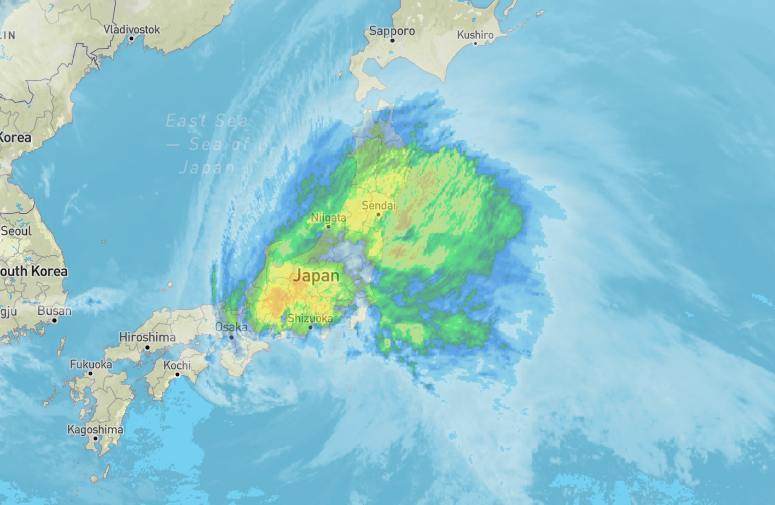
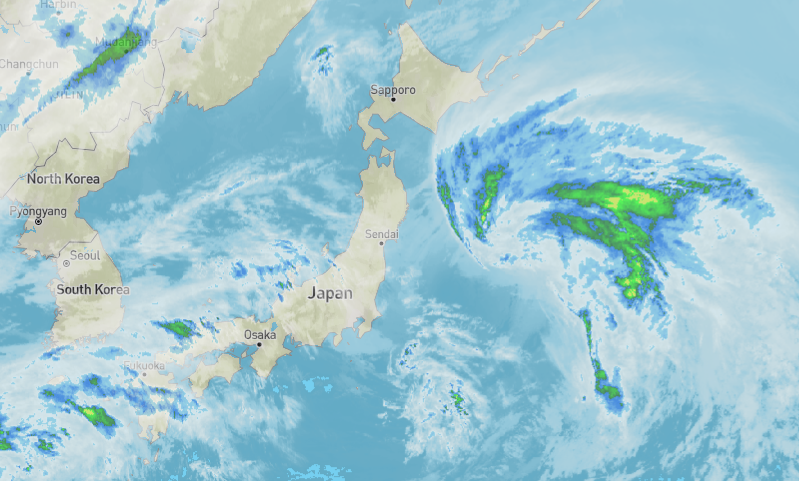
A closer look shows Southern Japan is clearing up – and not-a-typhoon Jangmi is moving towards Tokyo. There were casualties too – but not massive. Still, one life lost is too much.
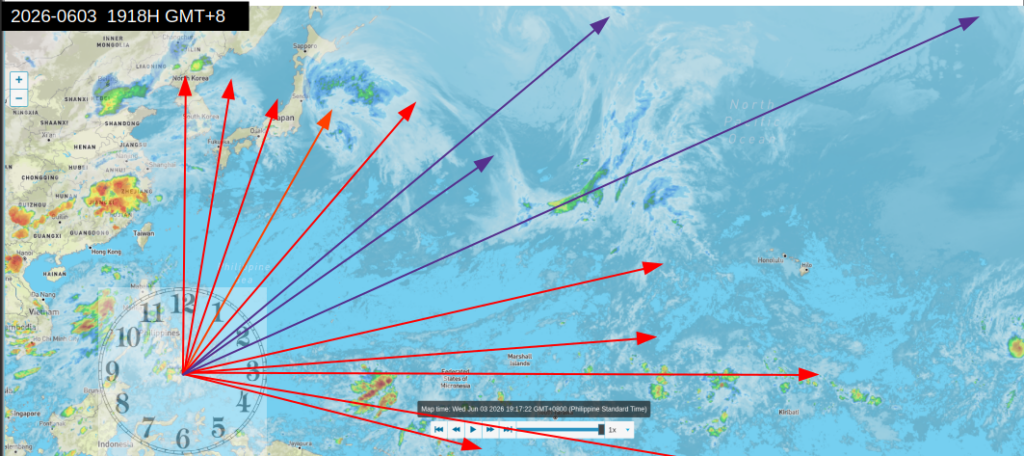
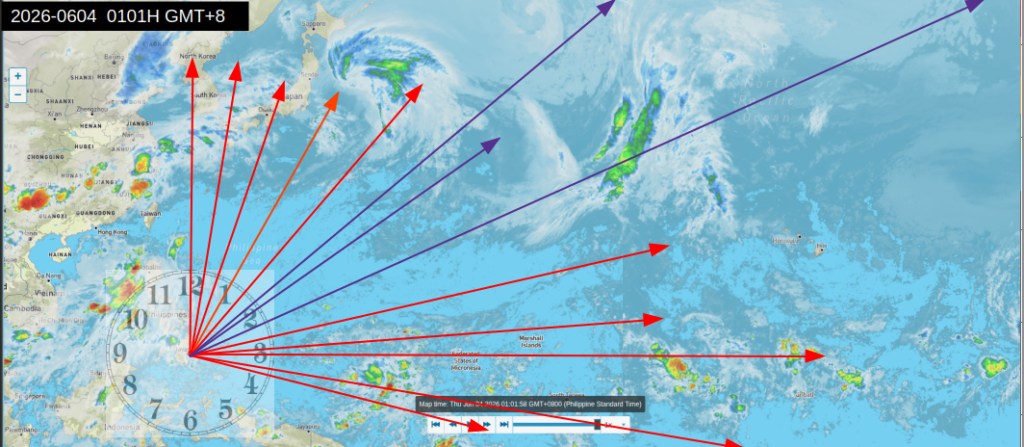
.Time to adjust the bearings as Jangmi moves towards Tokyo.
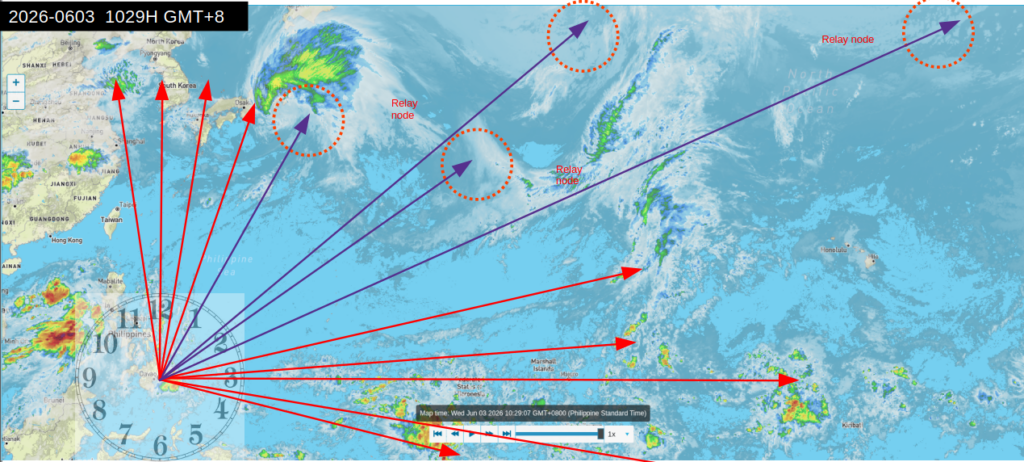
Time to check the situation 060326 1029H GMT+8
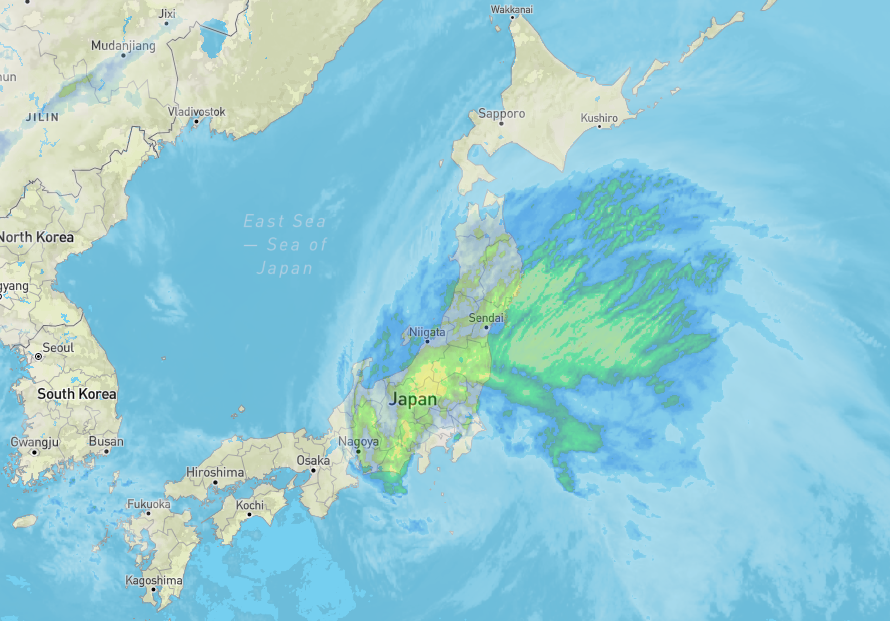
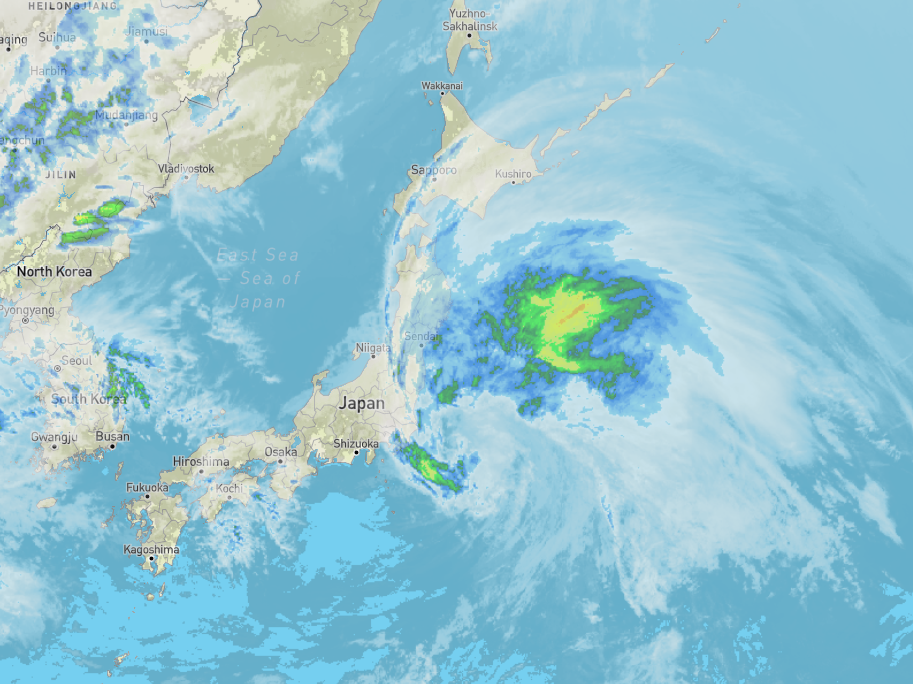
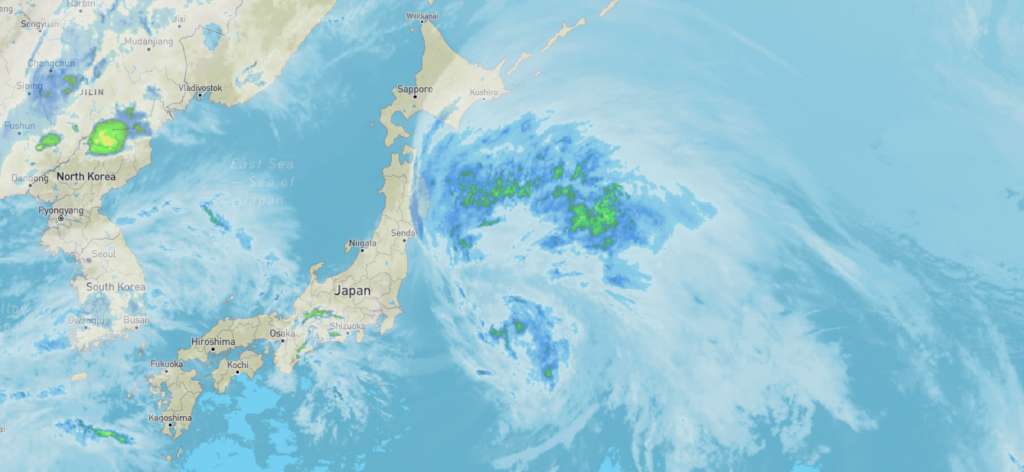
We then zoom into Japan.
Note that the yellow and green bands has been reduced – basically fraying apart.
I will continue to observe till noontime.
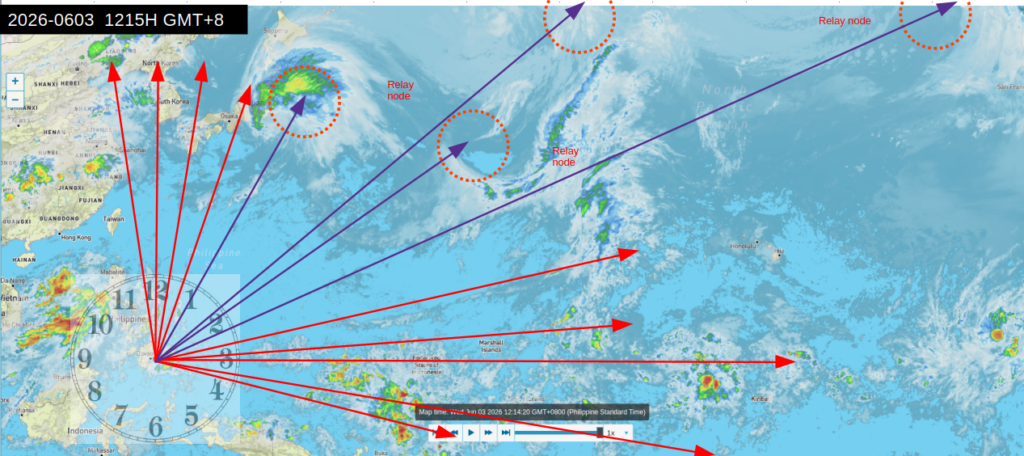
Noontime update 060326 1215H GMT+8
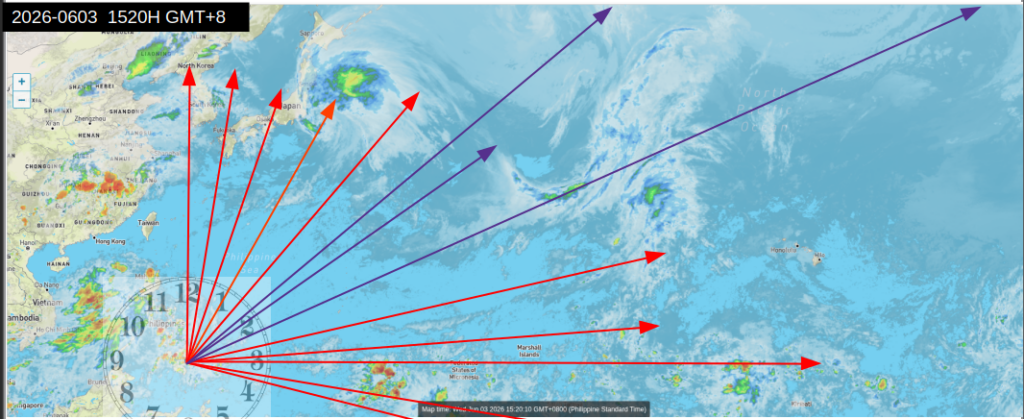
Mid afternoon update 060326 1533H GMT+8
The center of gravity has shifted. Southern Japan has already eased up. We will now shift the direction cover the area from 1:30 to 2:30.
Note the fraying edges of the storm. The center or the “eye” is in yellow, roughly 1:00 in our “line of sight”.
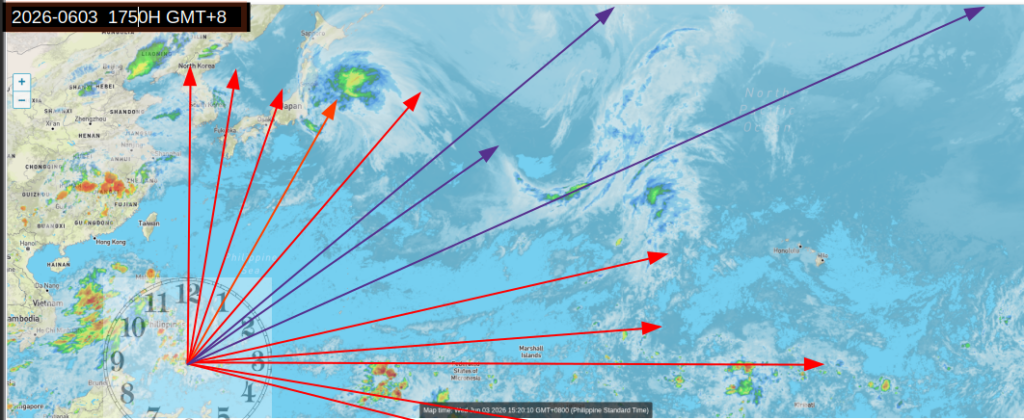
Update 060326 1750H GMT+8
Jangmi is certainly easing up on Japan. We aren’t out of the woods, yet. If we remove the devices – it can easily regrow and cause more widespread havoc.
It’s going to be a rather quick moving system at this point.
Nothing crazy is happening. but riding along the southshore of Japan with really heavy rain, but we’ll get that continued weakening trend.
You can watch the forecast here. 👇
Jun 2, 2026 – Area to Watch! In this video, the chance of Tropical Development near the Philippines and Taiwan. The chance a Tropical Depression or Tropical Storm could form. Plus, the Tropical Storm impacts from Jangmi in parts of Japan
We can’t be complacent because Jangmi is on a weakening trend. I’d say it’s time to go for the kill shot . 😎
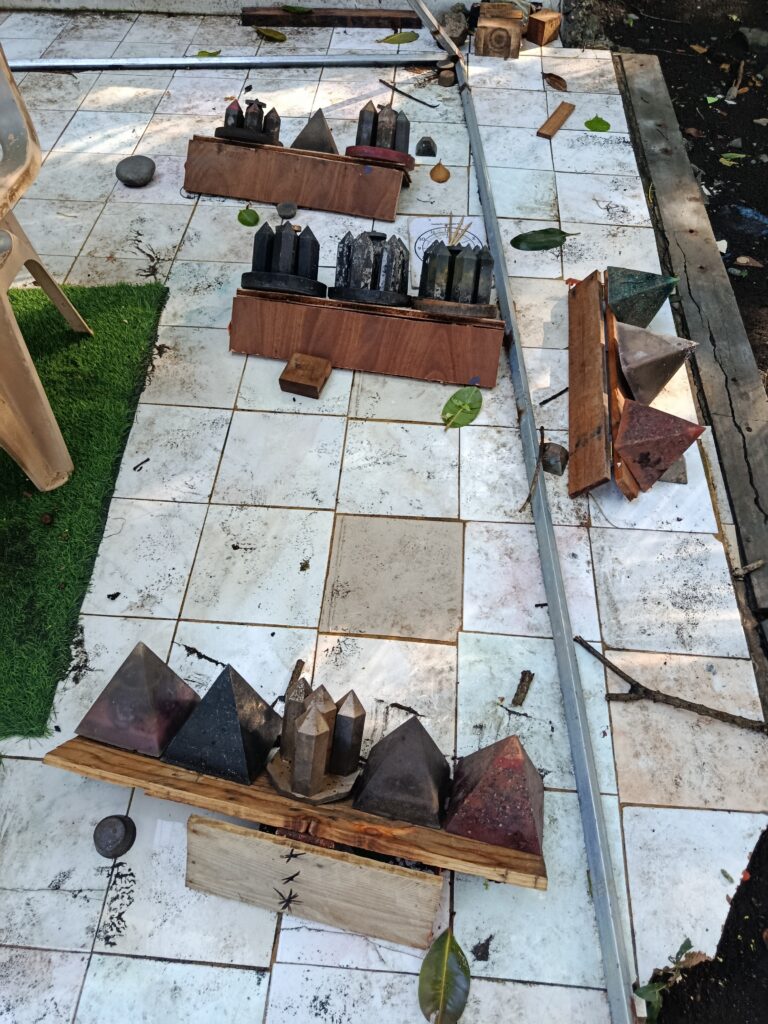
Time to adjust the direction of my heavy hitters located in this section of our site, pointed north towards Jangmi over Japan (roughly between 1 click after 12:00 to 1:00) – 5 classic sky guardians (think Gatling Gun), 1 mini sky guardian , and 5 pyramids,
Pointed to the east (3:00) are 3 pyramids – keep the moisture buildup caused by ionospheric heaters in Central America at bay.
With the adjustments made, we wait and see. Get ready for the next snapshot.
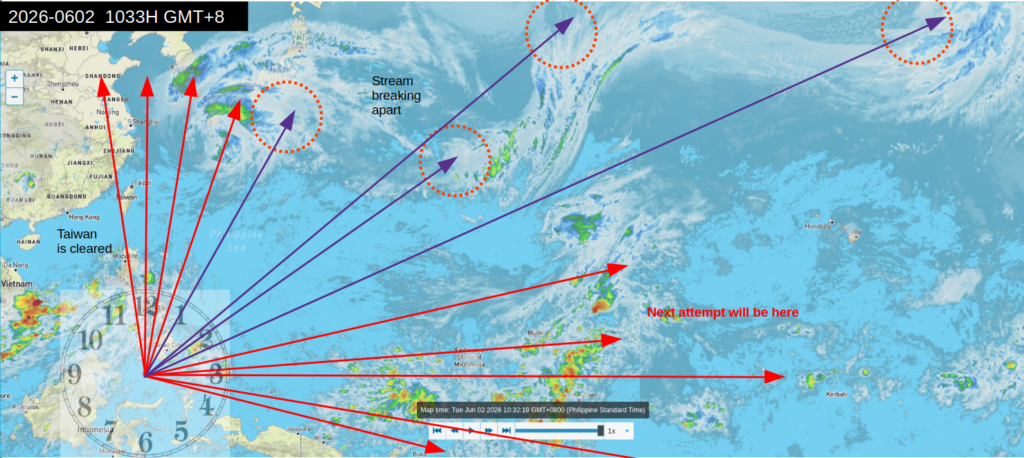
Snapshot as of mid-morning 060226 1033H GMT+8
The threat to Taiwan has been greatly reduced. My dear ones on vacation in Taiwan will have great weather. 🥰
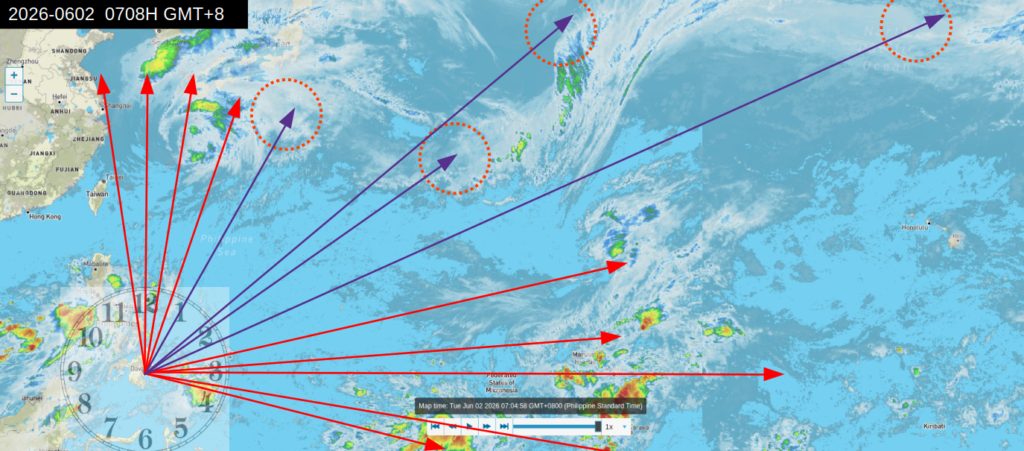
Now for Japan, the supply line of moisture is beginning to break, particularly the stream in between the first two encircled nodes on the left.
The ionospheric heaters are working overtime because they really want Taiwan to take a hit. How did I come to that conclusion? Well, the vacationers complained about the extreme heat. Second, I received a video of Taiwan’s sky – and the cloud patterns bore the signature of ionospheric heaters.👇
Another storm formation attempt is in the making at the Marshall Islands.
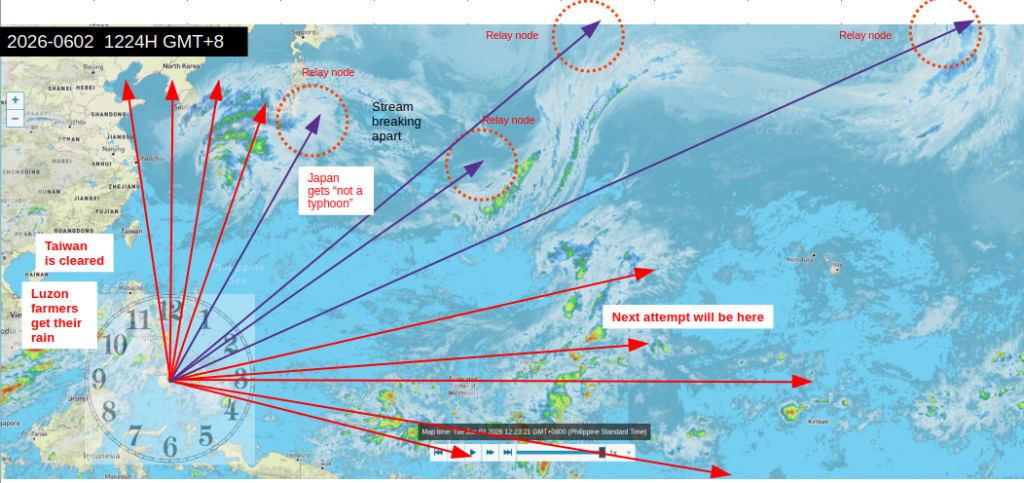
And for the noontime snapshot 060226 1224H
Farmers in Northern Luzon got their rain. Taiwan remains unscathe. Japan gets heavy rains instead of a typhoon.
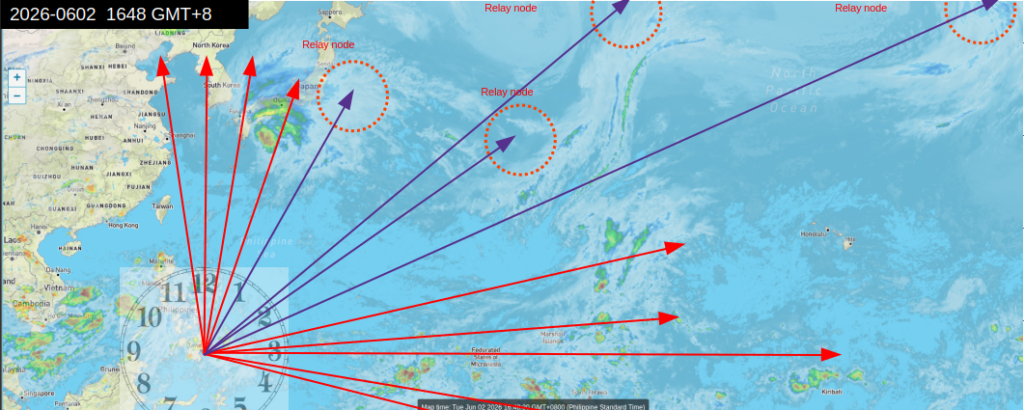
I can now redirect the pieces used for Taiwan – and direct them towards Japan. I will still leave behind a rear guard for Taiwan.
And for the afternoon snapshot, 060226 1648H GMT+8..
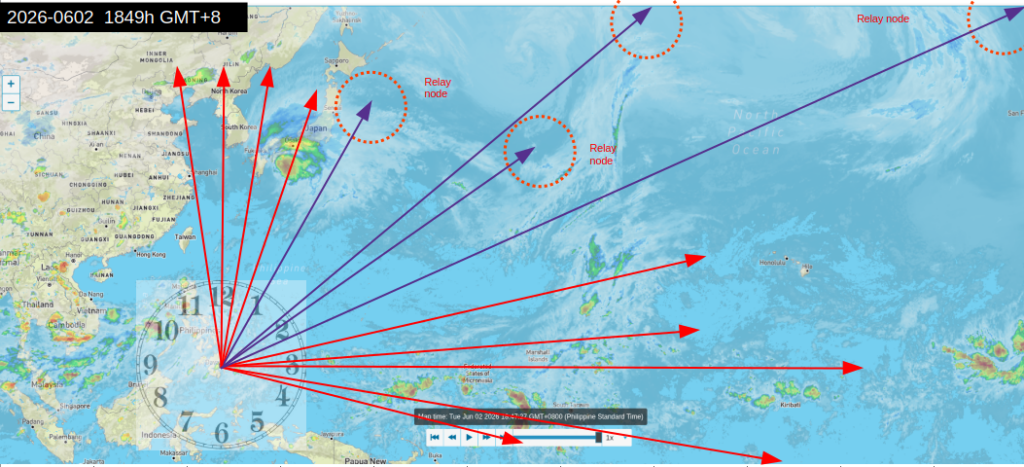
060226 1854H GMT+8
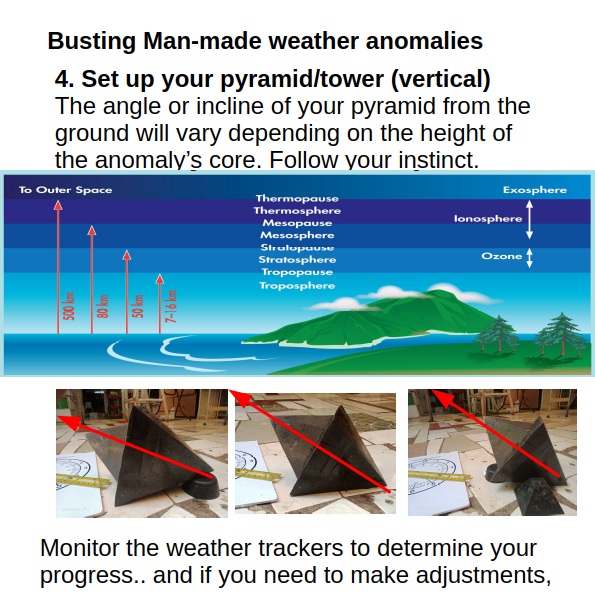
I noted the green bands over Southern Japan. Given that the devices are inclined to 45°, this means overshooting the target (Southern Japan)because the system is in a higher altitude. I have changed the incline to around 60°.
Here’s the thing, I can hear the energy (clairaudience ?) – and when it hits the target, from a steady buzz – it transforms to a swarm of cicadas, feels like human sonar. 👽
Adjustments have been made – we now sit back and wait till the next snapshot.
The Philippines avoided a weather catastrophe named Jangmi – just as the Philippnes avoided Sinlaku.
How could that have happened – avoiding two cyclones in a row ??? 😁 wink wink
Weather predicters and forecasters scrambled and came up with… drum rolls please… Super El Nino, 😂
The extreme heat in Northern Luzon had farmers clamoring for rain. If I may qualify, rain that does not cause flood, landslides, and damages to lives and property – and it was given.
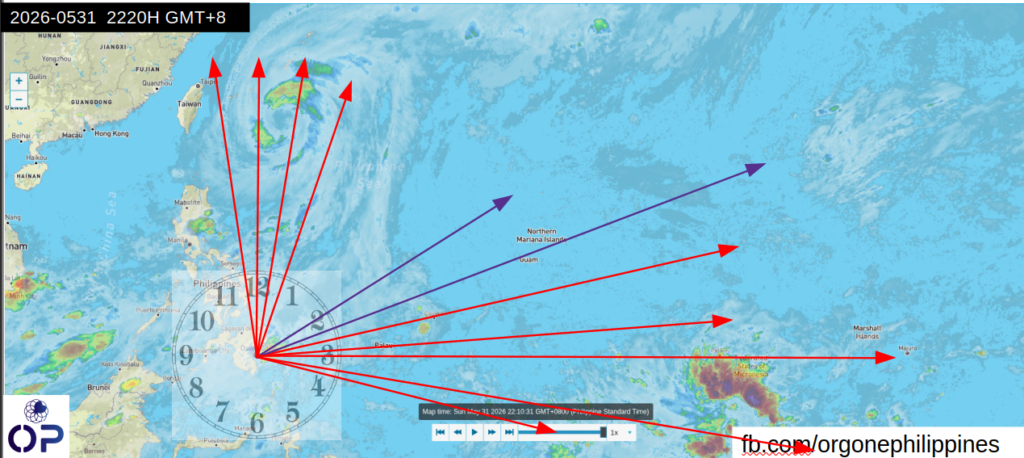
Here’s the weather snapshot of 060126 0701H GMT+8.
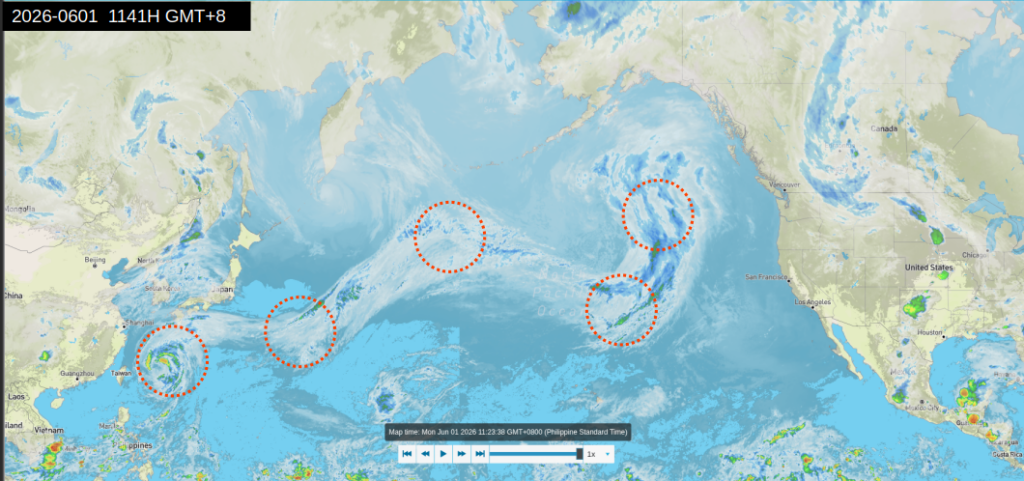
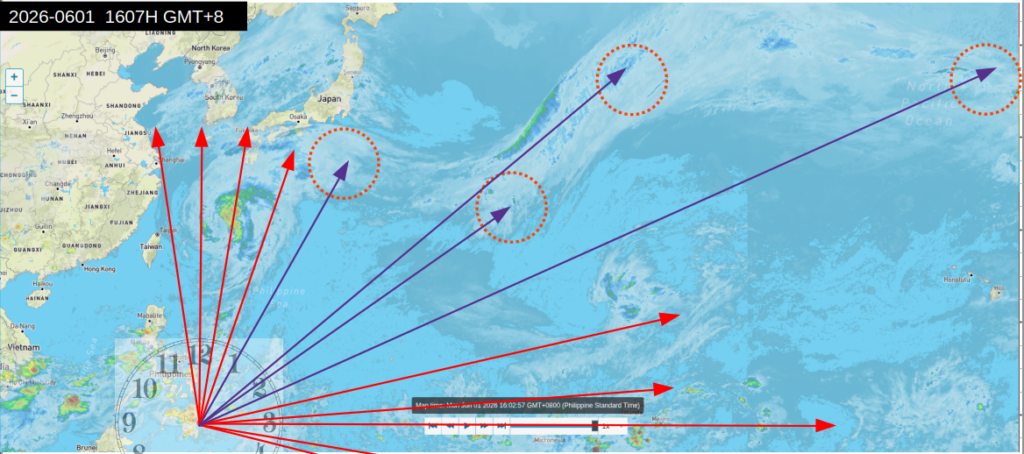
I noticed something interesting though. When I zoomed out to view a wider geographical area, I observed a pattern, a flow of moisture coming from Alaska, delivered in a relay of vortices to Jangmi.
The relay nodes which I encirgled appear to be cogs of one huge conveyor belt of moisture. With that hunch in mind, I checked on Jangmi at 2026-0601 1607H GMT+8
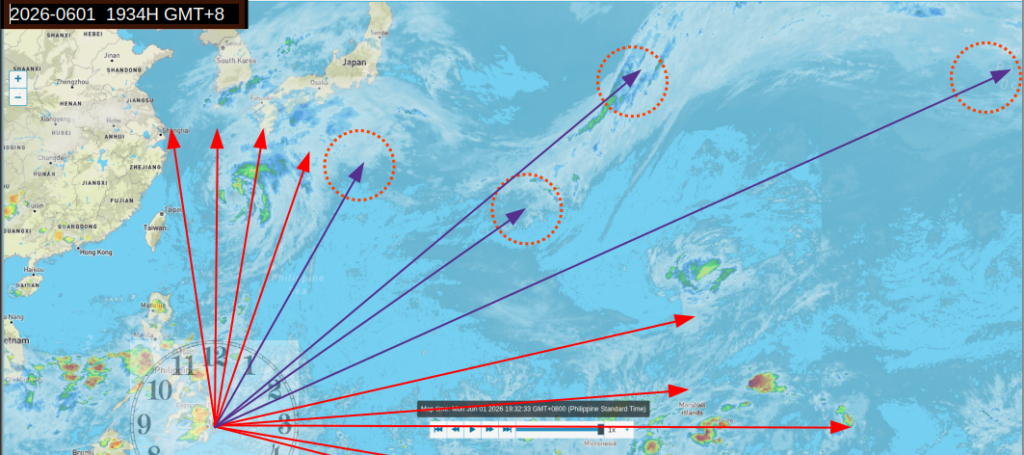
So, I computed a solution. Got the direction to point the devices towards the relay nodes- and redistributed the load.. Then, we wait and see for another hour.
Time for another snapshot, 2026-0601 1934H GMT+8
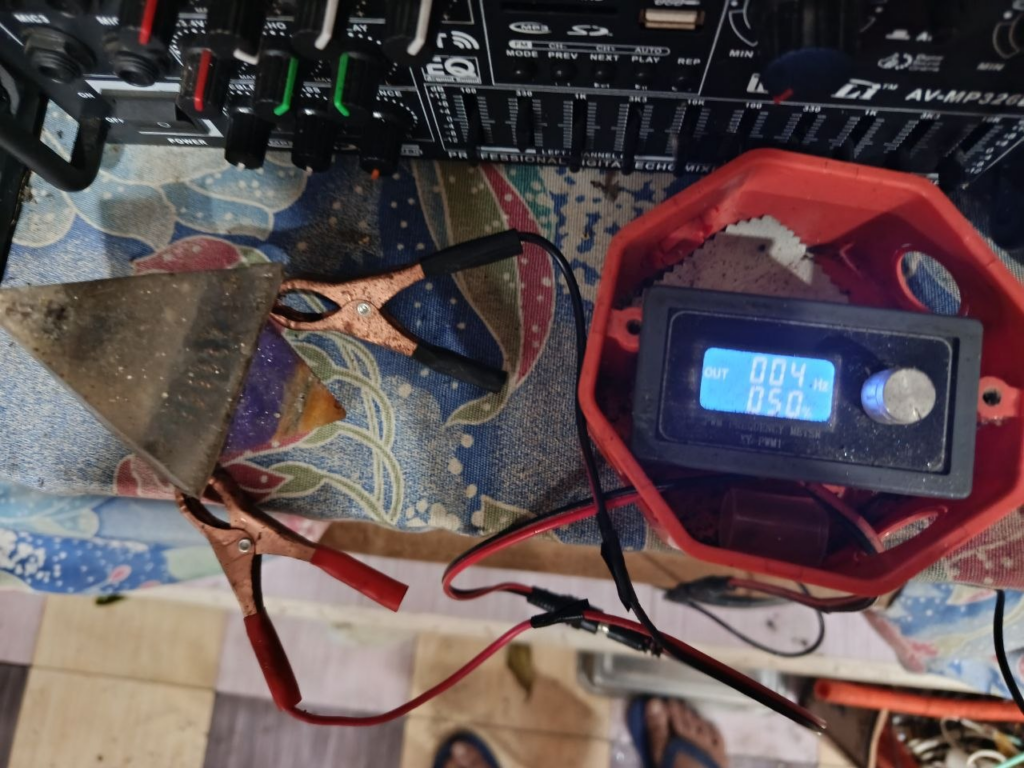
And for the first time, we are testing a small orgonite pyramid, embedded with tensors (we are talking astronomical Bovis units),
The tensors have terminals sticking out of the orgonite pyramid which is then connected to a PWM frequency generator (up to 150 khz), powered by a 15V DC power adapter.
We’ve had this device for a long time now, but we haven’t really used it for weather defense – that’s about to change. We set the frequency to 4hz (theta brainwave frequency).
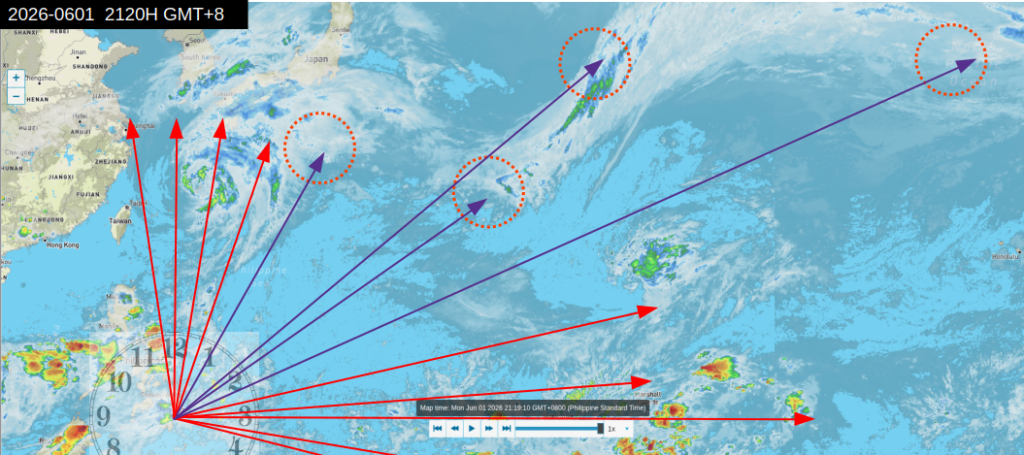
Here’s the weather snaposhot at the time we began testing. We aimed for the eye of the system (between 12:00 and 1:00).
2026-0601 2120H GMT+8
We will take another snapshot by midnight.
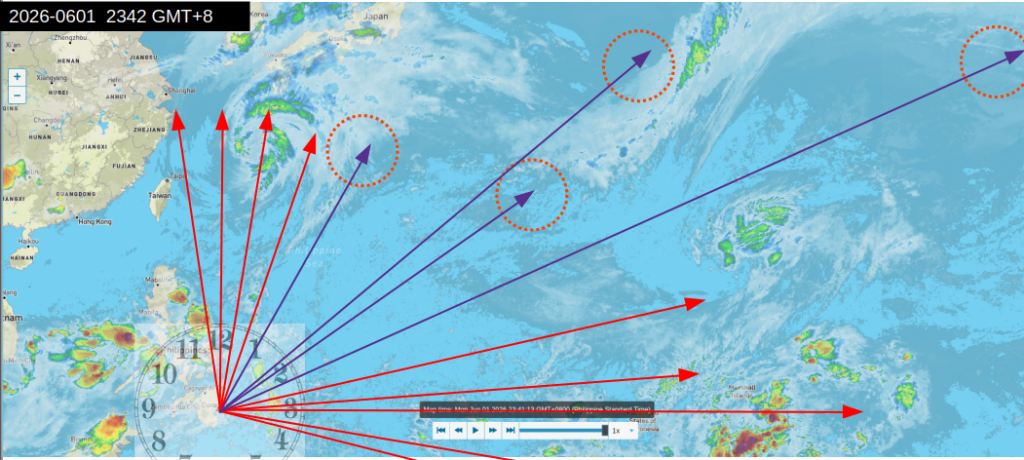
And for the last snapshot of the day – 06026 2342H GMT+8
The adjoining area east of Taiwan appears to be “cleared”. We are keeping the devices pointed in the direction of Taiwan – someone there needs to enjoy their vacation in Taiwan.
I have made adjustments for Japan, and am calling it a day. Hang in there Japan, help is on the way 😇.
Tomorrow is another day – and another snapshot. Am off to the “other side”, I’ll see all of you there.